



Service Designer & Design Lead
🇫🇷 Public Sector
Transforming public action through trusted and sovereign digital solutions that serve the general interest.
Product Designer & Design Manager
2018 - 2025
Docaposte UX Team (Digital Branch of La Poste Group)
From digital identity to inclusive public services, I led UX and design initiatives that shaped how millions of citizens interact with France’s public platforms every day.
My focus was on accessibility, digital trust, and system-wide coherence.
In recent years, we explored the intersection of AI and public services.
What I’ve learned:
Designing for the public sector means designing for everyone and that makes the work deeply meaningful.
It also means aligning with evolving government priorities and policies, ensuring that digital inclusion and trust stay at the heart of transformation.
Accessibility isn’t just a checklist, it’s empathy turned into a framework.
Designing public services for millions with trust, inclusion, and innovation
France’s public sector faces the same challenge as many democracies: how to make digital services human, accessible, and efficient for everyone.
My journey from national identity to education and healthcare.
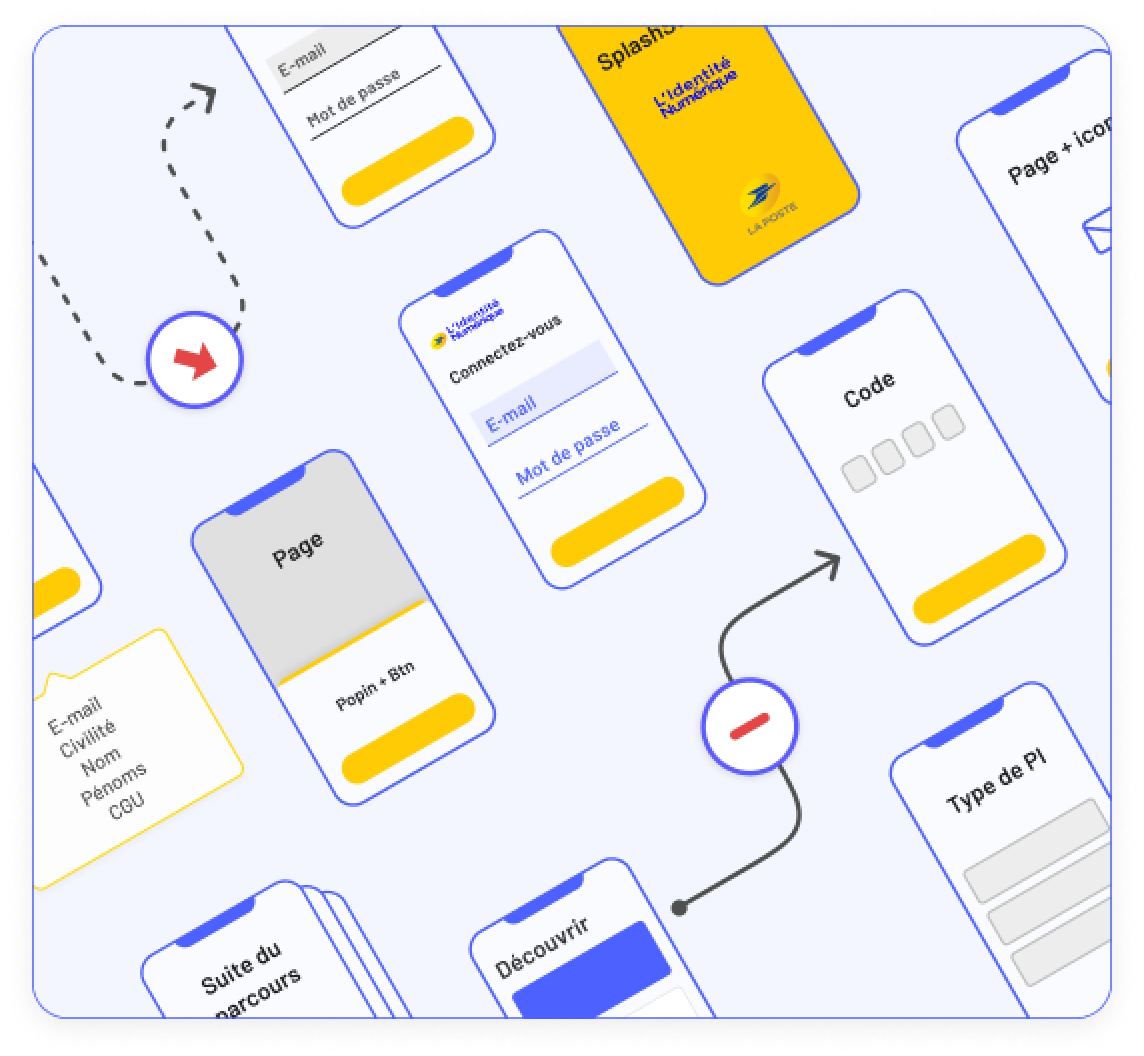
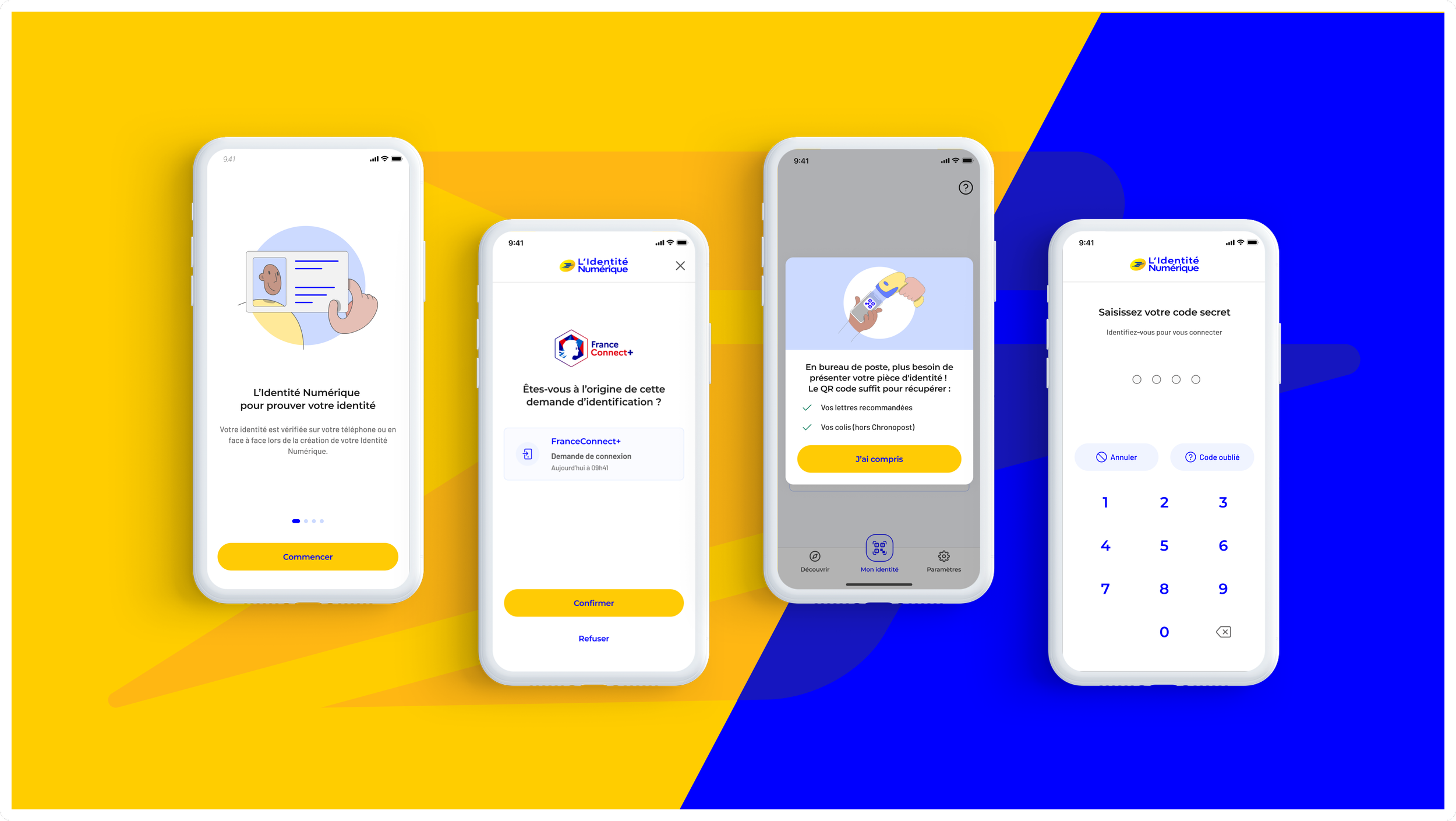
Building trust at scale
With L’Identité Numérique La Poste (Digital ID), used by over 7 million citizens, we designed one of France’s most trusted digital identity services.
Our work focused on privacy by design, clarity of user flows, and inclusive design patterns — ensuring a seamless experience across both digital and physical verification journeys.
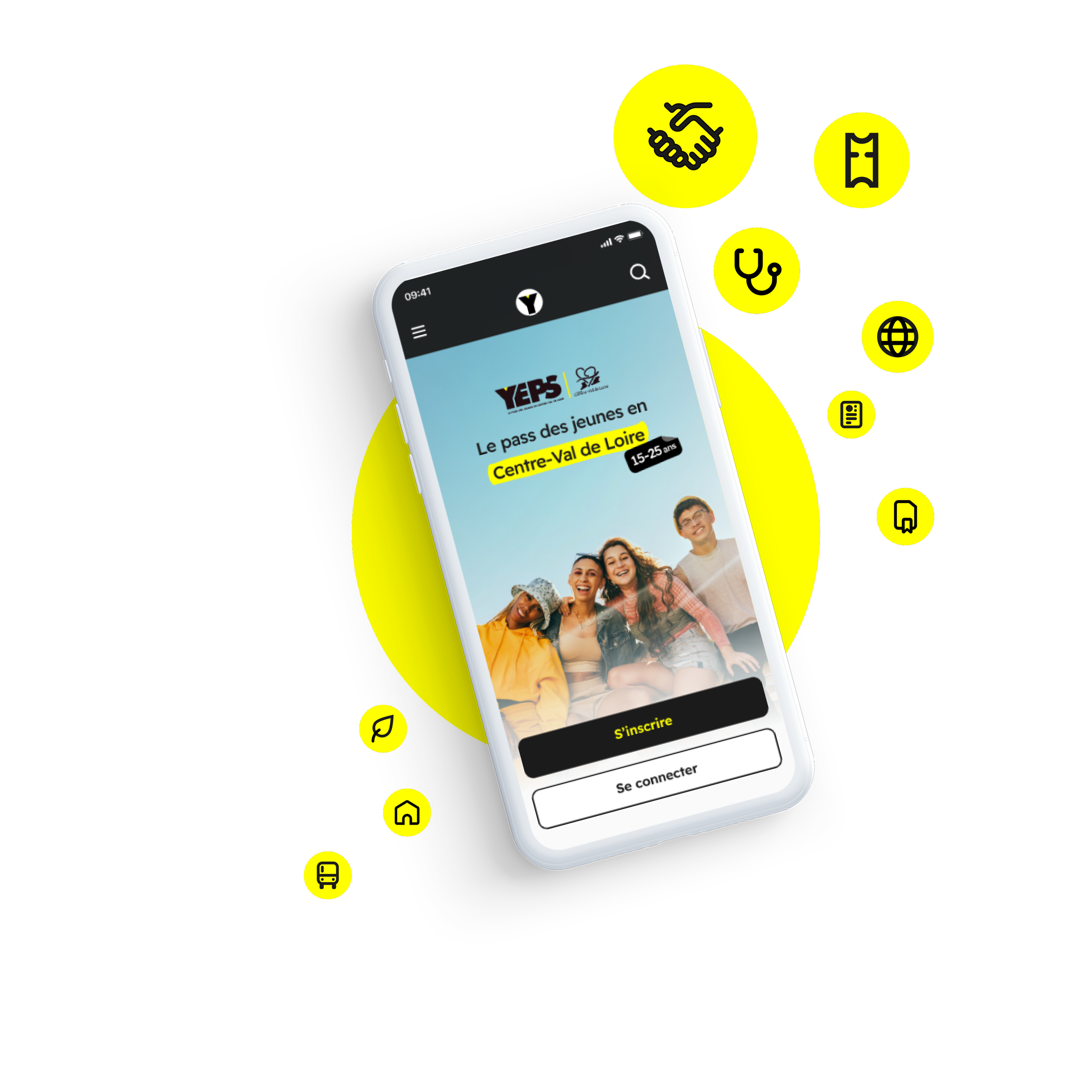
Driving accessibility and inclusion
From youth portals like YEP’S and Pass+ (regional cultural & sports support initiative) to education tools such as PRONOTE (national school management tool), I contributed both as a designer and lead, shaping user journeys and visual systems.
Our redesigns simplified registration flows, reduced hotline calls by 50%, and made mobile-first accessibility a new standard for regional services.
Brought accessibility to the core of every delivery: not a checklist, but empathy made systematic.
(Also I do have the checklist for designers & devs 👀)
Exploring AI for public good
I also led early AI proof-of-concepts in collaboration with public partners:
AI-driven school zoning tool – reduced admin time from 3 days to 10 minutes while balancing class sizes and geography.
Generative AI assistant for teachers (PRONOTE QCM) – allowed quiz creation in seconds from course material.
For more details on these projects:
→ Discover the full inventory

Our UX Golden rules
Grounded in public research Aligned with ANSSI/ETSI Accessibility-first.
Simplicity signals safety
If it reads calm, it feels secure.
We cut steps, merge screens, and keep language plain so the task looks doable at first glance.
Human fallback is a feature
People trust when help is one click away.We surface help early (chat/phone), keep context through handover, and never make users start over.
Give control, reduce regret
Agency lowers abandonment.
We add save-before-submit, clear back links, and undo for destructive actions.
Accessibility is non-negotiable
Readable = trustworthy, especially under stress.
We design for low vision and cognitive load first: hierarchy, spacing, focus states, crystal-clear errors.
Explain security, don’t just badge it
Icons ≠ understanding.
We pair 2FA/https/payment badges with one-line explanations and predictable confirmation copy.
Ask less, justify more
Consent rises when purpose is clear.
We request minimum data, explain “why now”, and enable lawful “skip & continue” when appropriate.